Ever wonder how your favorite snacks get their unique textures? The secret lies in processes like extrusion and Expansion.These methods shape materials, impacting industries from food to construction. In this post, you'll learn about the differences between extrusion and expansion and their vital roles across various sectors.
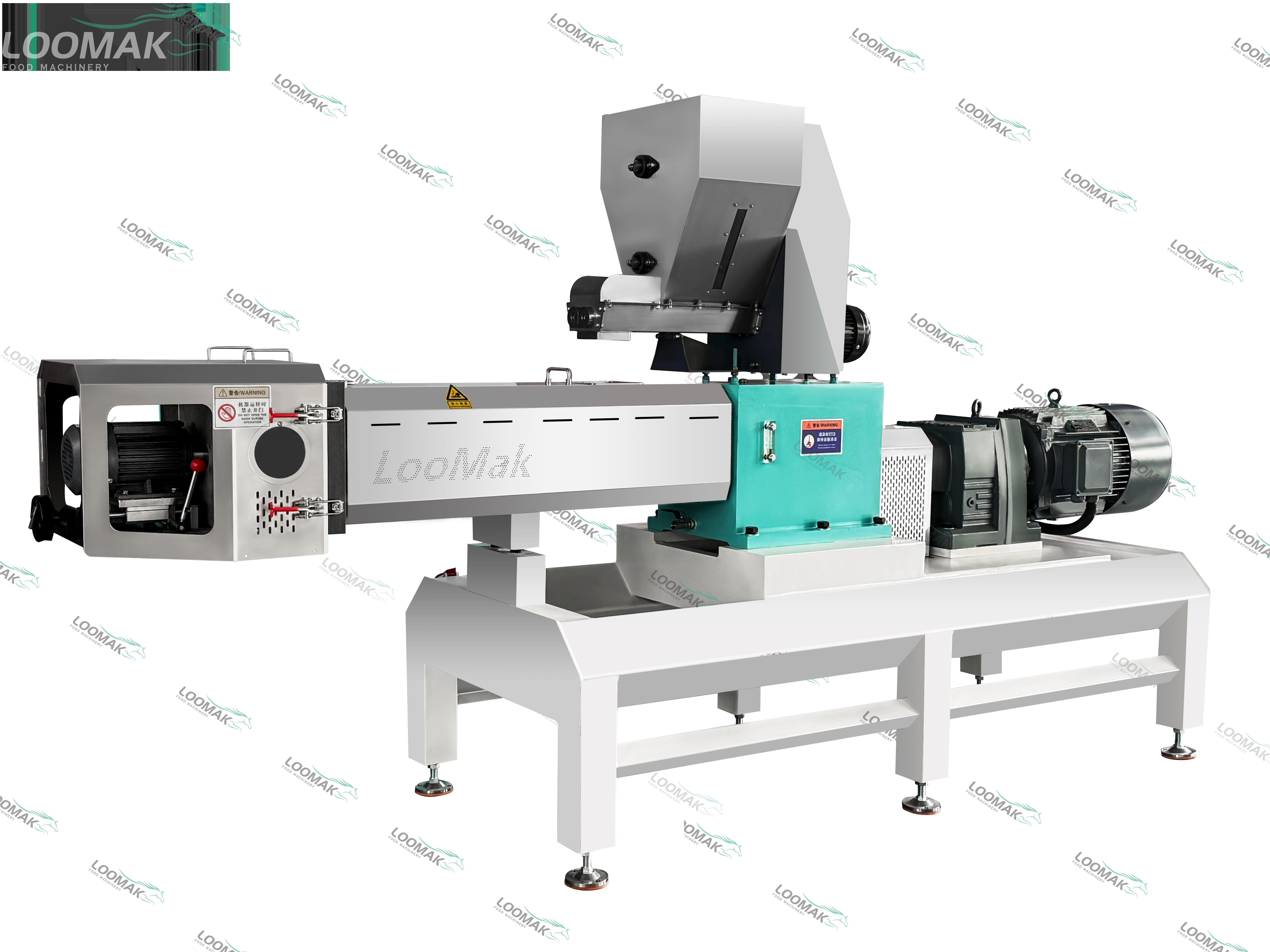
Extrusion is a manufacturing process that forces raw materials through a shaped opening, called a die, to create continuous products with a fixed cross-section. This method uses mechanical energy, heat, and pressure to transform materials into desired shapes and textures. The process is widely used in various industries, including food production, plastics, and feed manufacturing.
In extrusion, raw materials are fed into a machine where they are mixed, heated, and pushed through a die by a rotating screw inside a barrel. The combination of mechanical shear, temperature, and pressure causes physical and chemical changes in the material. For example, in feed processing, extrusion breaks down starches and proteins, improving the digestibility and nutritional availability of the feed. The process allows precise control over temperature, pressure, and moisture, which means products can be tailored to specific requirements.
Extruders come in different types, mainly single-screw and twin-screw extruders. Single-screw extruders are simpler and suitable for straightforward processes, while twin-screw extruders offer better mixing and are used for more complex formulations.
Food Industry: Extrusion shapes snacks, cereals, and pet food. It improves texture, flavor, and shelf life by cooking and shaping ingredients in one continuous process.
Feed Industry: Extrusion enhances animal feed by increasing nutrient availability and digestibility. It also sterilizes the feed, improving safety and shelf life.
Plastics and Polymers: Extrusion forms pipes, sheets, films, and profiles. It allows manufacturers to produce consistent shapes with specific mechanical properties.
Construction: Extruded materials like polystyrene foam are used for insulation. Extruded polystyrene (XPS) is denser and more moisture-resistant than expanded polystyrene (EPS), making it ideal for building applications.
Chemical Industry: Extrusion helps create complex compounds and composites by mixing and shaping polymers and additives.
Extrusion is valued for its continuous operation, high efficiency, and ability to produce complex shapes. It also allows for customization by adjusting process parameters, making it versatile across many sectors.
Expansion is a processing method similar to extrusion but differs mainly in the level of shear, pressure, and temperature applied inside the machine. It involves forcing raw materials through a die or opening, but the process creates less mechanical shear and heat than extrusion. This results in a unique transformation of the material, often producing a puffed or porous structure.
Expansion uses a screw-based machine called an expander. Raw materials are fed into the barrel, where they are subjected to moderate pressure and heat. Unlike extrusion, expansion relies more on steam injection and pressure buildup inside a sealed barrel. This pressure cooks the material rapidly and, as it exits the machine into the lower atmospheric pressure, the sudden release causes the product to expand or "puff up."
The expander creates a dense yet porous structure that improves certain physical and chemical properties of the material. The process is often described as a continuous pressure cooker, where heat and pressure work together to gelatinize starches, denature proteins, and deactivate anti-nutritional factors. This leads to enhanced digestibility and nutrient availability, especially in feed applications.
Expanders differ from extruders mainly in:
Lower shear forces inside the barrel
Use of direct steam injection to raise temperature quickly
Expansion of product upon discharge due to pressure drop
Creation of porous, puffed textures rather than dense shapes
Feed Industry: Expansion is widely used to improve animal feed quality. It increases nutrient digestibility and sterilizes feed by deactivating enzymes and harmful microbes. The expanded feed is easier for animals to digest, enhancing growth and health.
Oilseed Processing: Expanders help in preparing oilseeds for solvent extraction by making the material porous. This increases oil yield and reduces solvent use during extraction.
Food Industry: Expansion produces puffed snacks and cereals with desirable textures. It also helps in cooking ingredients quickly while preserving nutrients.
Chemical and Polymer Industries: Expansion modifies polymers and compounds to improve porosity and physical properties for specialized applications.
Expansion is valued for its ability to produce materials with enhanced functional properties while using less mechanical energy than extrusion. It suits processes needing rapid cooking and expansion, making it a preferred choice in many feed and oilseed plants.
Extrusion and expansion both push materials through a die to shape them, but how they do it varies significantly.
Shear Force: Extrusion applies high mechanical shear. The rotating screw inside the barrel creates friction and pressure, breaking down starches and proteins. Expansion uses lower shear, relying more on steam injection and pressure buildup rather than mechanical force.
Heat Generation: Extrusion generates heat mainly through mechanical friction and controlled barrel temperature. Expansion uses direct steam injection to quickly raise temperature inside a sealed barrel.
Pressure Dynamics: Extruders maintain consistent pressure to shape dense, uniform products. Expanders build high pressure inside the barrel, then release it suddenly at the die exit, causing the product to puff or expand.
Discharge Characteristics: Extrusion discharges dense, continuous shapes with fixed cross-sections. Expansion discharges porous, puffed products due to rapid pressure drop and steam flash-off.
These process differences influence the physical and chemical transformations of the material, affecting product properties.
The distinct processes produce different material characteristics suited for varied applications.
Density and Texture: Extruded products are typically dense, firm, and have a smooth texture. Expanded products are porous, lighter, and have a puffed or foamed texture.
Nutrient Availability: Extrusion’s high shear and heat improve nutrient digestibility by breaking down complex molecules. Expansion also enhances digestibility but through rapid cooking and expansion, which can preserve some sensitive nutrients better.
Sterilization: Extrusion’s mechanical shear and heat effectively deactivate microbes and anti-nutritional factors. Expansion sterilizes by steam heat and pressure but with less mechanical disruption.
Porosity: Expansion creates porous structures ideal for applications like solvent extraction in oilseed processing or puffed snacks. Extrusion produces compact shapes needed in pipes, sheets, or dense feed pellets.
Customization: Extrusion allows fine-tuning of product shape and texture by adjusting screw speed, temperature, and die design. Expansion focuses more on pressure and steam control to achieve puffing and porosity.
| Aspect | Extrusion | Expansion |
|---|---|---|
| Shear Force | High mechanical shear | Low mechanical shear |
| Heat Source | Mechanical friction and barrel heating | Direct steam injection |
| Pressure | Consistent pressure through die | High pressure inside barrel, sudden release |
| Product Texture | Dense, firm, smooth | Porous, puffed, foamed |
| Nutrient Impact | Breaks down starches, proteins; high digestibility | Rapid cooking; preserves some nutrients |
| Sterilization | Effective via shear and heat | Effective via steam and pressure |
| Typical Uses | Pipes, sheets, dense feeds, snack shapes | Puffed snacks, oilseed pre-treatment, porous feeds |
Understanding these differences helps industries select the right process for their product goals. Extrusion suits applications needing precise shapes and dense textures. Expansion fits uses requiring puffed textures, porosity, or rapid cooking.
Extrusion offers remarkable efficiency in manufacturing. Because it operates continuously, it processes large volumes without frequent stops. This continuous flow reduces downtime and increases output, making it a cost-effective choice for many industries.
The process combines mixing, heating, and shaping in one step, cutting down on the need for multiple machines or stages. This integration saves both time and labor costs. Additionally, precise control over temperature, pressure, and screw speed optimizes energy use, minimizing waste and operational expenses.
Extruders also handle a wide range of raw materials efficiently. For example, in feed production, extrusion can process grains, proteins, and oils simultaneously, enhancing throughput and reducing raw material handling costs.
Maintenance costs tend to be moderate since extruders are designed for durability. With proper upkeep, they maintain consistent performance over long periods, further improving cost-effectiveness.
One of extrusion’s strongest advantages is versatility. It adapts to many industries by producing a variety of shapes, textures, and sizes. This flexibility suits everything from food snacks and pet food to plastic pipes and insulation materials.
By changing the die shape, manufacturers can create custom profiles, sheets, tubes, or pellets. This capability allows rapid switching between product lines without major equipment changes.
Extrusion also supports complex formulations. Twin-screw extruders, for instance, excel at mixing multiple ingredients uniformly, enabling the production of specialized feeds or polymer blends.
The process can tailor product characteristics such as density, texture, and moisture content. For example, in food production, extrusion enhances crispness or chewiness depending on the recipe and settings.
Furthermore, extrusion integrates well with downstream processes like cutting, drying, or coating, streamlining entire production lines.
Continuous operation boosts productivity
Integrated mixing, heating, shaping reduces costs
Precise control lowers energy use and waste
Handles diverse raw materials efficiently
Produces a wide range of product shapes and textures
Supports complex formulations and recipes
Enables quick product changeovers
Compatible with additional processing steps
These benefits make extrusion a popular choice for manufacturers aiming for high-quality products, operational efficiency, and adaptability across many sectors.
Expansion offers unique benefits in enhancing material properties that extrusion cannot always achieve. The process uses lower mechanical shear but higher steam injection and pressure, which leads to a distinct transformation of the material’s structure.
Porosity and Texture: Expansion creates a porous, puffed product. This porous structure improves water absorption and digestibility in feeds. It also creates a light, airy texture ideal for puffed snacks and cereals.
Nutrient Preservation: Because expansion uses rapid steam cooking with less mechanical shear, it can better preserve heat-sensitive nutrients such as certain vitamins and antioxidants. This helps maintain nutritional value.
Improved Digestibility: The rapid cooking and pressure release gelatinize starches and denature proteins effectively. This increases nutrient availability and reduces anti-nutritional factors, enhancing feed quality.
Sterilization: Steam and pressure sterilize the material, reducing microbial contamination without excessive mechanical damage. This improves product safety while maintaining desirable physical properties.
These enhanced properties make expansion especially valuable in applications where texture, nutrient retention, and digestibility are critical.
Expansion is favored in several industries for its ability to deliver specialized product characteristics.
Feed Industry: Expansion improves feed digestibility and safety by breaking down complex nutrients and deactivating enzymes and microbes. The puffed texture also aids in palatability and feed intake for animals.
Oilseed Processing: Expanders prepare oilseeds for solvent extraction by making them porous. This increases oil yield and reduces solvent use, lowering costs and environmental impact. The porous structure also speeds extraction.
Food Industry: Expansion produces puffed snacks and cereals with appealing texture and flavor. It enables quick cooking while preserving nutrients, making it suitable for healthy snack products.
Chemical and Polymer Applications: Expansion modifies polymers to increase porosity and reduce density. This can improve insulation properties, reduce weight, or enhance chemical reactivity for specialized uses.
By offering these industry-specific advantages, expansion provides tailored solutions that meet unique processing and product goals.
When deciding between extrusion and expansion, several key factors come into play. Understanding these helps tailor the choice to your product goals and industry needs.
Desired Product Texture: If you want dense, uniform shapes, extrusion is ideal. For puffed, porous textures, expansion fits better.
Nutritional Goals: Extrusion’s high shear breaks down starches and proteins thoroughly, boosting digestibility. Expansion preserves some heat-sensitive nutrients better due to rapid steam cooking.
Sterilization Needs: Both processes sterilize, but extrusion uses mechanical shear plus heat, while expansion relies on steam and pressure. Choose based on microbial control requirements.
Material Characteristics: Extrusion yields compact, smooth products. Expansion produces lighter, porous materials that improve water absorption and processing downstream.
Production Volume and Efficiency: Extrusion operates continuously and efficiently for large scale, complex shapes. Expansion is efficient for rapid cooking and puffing but may suit specific batch sizes.
Energy Consumption: Expansion often uses less mechanical energy but requires steam injection. Extrusion’s energy use depends on screw speed and heat generation.
Equipment Complexity and Cost: Extruders can be more complex, especially twin-screw types, but offer fine control. Expanders are simpler but specialized for puffing and porosity.
Raw Material Types: Some materials respond better to one process. For example, oilseed processing benefits from expansion’s porosity, while plastics shaping uses extrusion.
Downstream Processing: Consider how the product will be handled after processing, such as cutting, drying, or coating. Extrusion’s uniform shapes often simplify these steps.
Feed Industry: Extrusion suits feeds requiring dense pellets with tailored nutrient profiles. Expansion excels in producing puffed feeds that enhance digestibility and palatability.
Food Industry: For snacks needing crisp, shaped forms, extrusion is preferred. Expansion creates puffed cereals and snacks with airy textures.
Oilseed Processing: Expansion is the go-to for preparing seeds for solvent extraction, improving oil yield through porous product structure.
Plastics and Polymers: Extrusion dominates due to precise shaping and consistent mechanical properties. Expansion is less common here.
Construction Materials: Extruded polystyrene (XPS) offers dense, moisture-resistant insulation. Expanded polystyrene (EPS) provides lightweight, cost-effective alternatives.
Choosing the right process depends on balancing product requirements, operational efficiency, and cost. Consulting with process engineers and testing pilot runs can refine the selection. Both extrusion and expansion offer unique benefits, so understanding their strengths ensures optimal manufacturing outcomes.
Extrusion and expansion are vital manufacturing processes, each with distinct benefits. Extrusion offers efficiency and versatility, producing dense, uniform products, while expansion excels in creating porous, nutrient-rich materials. Understanding their differences helps industries choose the right method for their needs. Jinan Loomak Machinery Technology Co., Ltd. provides cutting-edge machinery that maximizes these processes' advantages, ensuring high-quality, tailored products. Their expertise and innovative solutions deliver exceptional value to manufacturers across various sectors.
A: Extrusion is a manufacturing process that forces materials through a die to create continuous products with a fixed cross-section using heat, pressure, and mechanical energy.
A: Expansion uses lower shear and more steam injection, creating puffed, porous structures, while extrusion applies high mechanical shear for dense, uniform products.
A: Industries like food, feed, plastics, construction, and chemicals use extrusion for shaping products such as snacks, feed pellets, pipes, and insulation materials.
A: Expansion enhances material properties by creating porous textures, preserving nutrients, improving digestibility, and sterilizing products efficiently.


