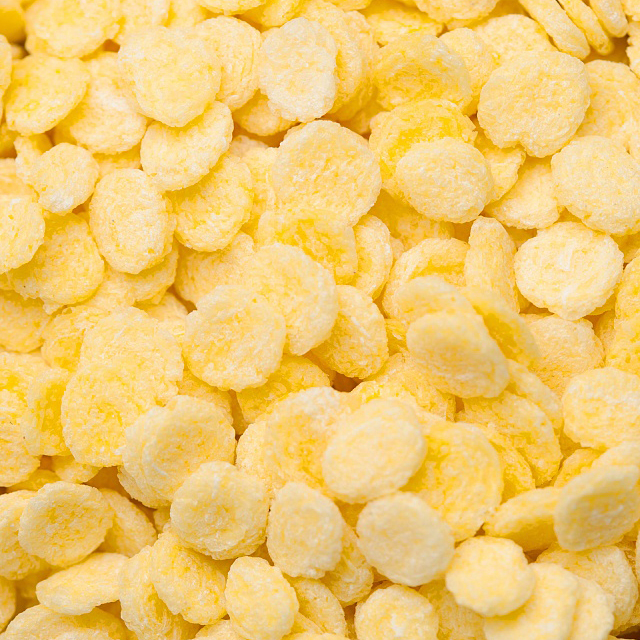
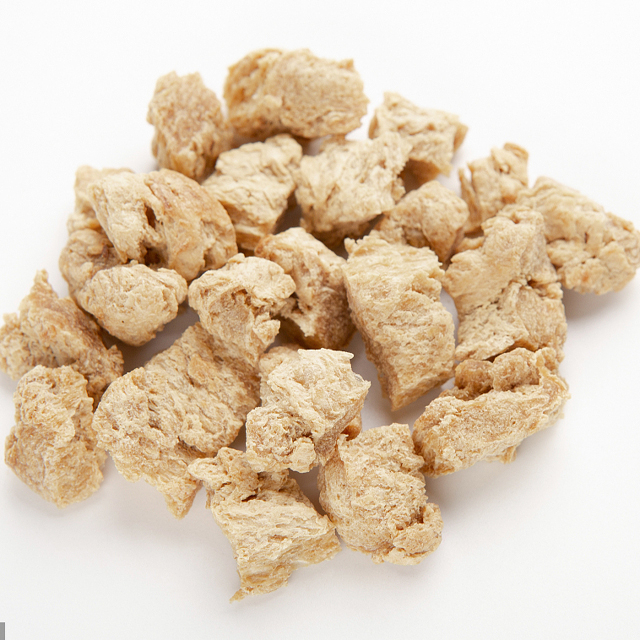
A puffed snack production line converts grain-based raw materials into expanded snack products through mixing, extrusion cooking, shaping, drying or frying, seasoning, cooling and packaging.
LooMak configures puffed snack production equipment according to the customer’s raw materials, target product, required output, process route, available utilities and factory layout.
A complete solution can be planned for direct-expanded snacks, core-filled products, cereal snacks and other customized extruded foods.
A puffed snack extrusion line can produce different shapes and textures by adjusting the formulation, extrusion parameters, die and cutting system.
Potential products include:
Corn curls
Cheese-flavored puffs
Rice puffs
Cereal balls
Snack rings
Extruded sticks
Shell-shaped snacks
Star-shaped snacks
Animal-shaped snacks
Core-filled snacks
Multigrain puffs
Customized extruded shapes
The finished result depends on the raw material, moisture, extrusion conditions, die design, drying or frying method and seasoning process.
Product trials may be required when developing a new formulation or reproducing a specific reference sample.
Common raw materials include:
Corn flour
Rice flour
Wheat flour
Potato starch
Corn starch
Tapioca starch
Oat flour
Multigrain flour
Legume flour
Selected protein ingredients
Functional powders and minor ingredients
The formulation affects expansion, texture, density, color and processing stability.
Before configuring the production line, provide the approximate recipe or at least identify the main raw material. Ingredients with high levels of fat, fiber, sugar or protein may behave differently from conventional starch-based formulations.
A typical direct-expanded puffed snack line follows these stages:
Flours, starches and minor ingredients are weighed according to the product formulation.
Raw materials should have suitable particle size and stable quality to support consistent feeding and extrusion.
A mixer distributes the ingredients and added moisture throughout the formulation.
Uniform mixing helps reduce variation in expansion, shape, texture and color.
The mixed material is transferred to the extruder through a controlled feeding system.
Stable feeding is important because fluctuations can affect pressure, cooking conditions and final product dimensions.
Inside the extruder, the raw materials are conveyed, mixed, heated and pressurized.
At the die, the product is formed and may expand as pressure is released. Extrusion conditions should be adjusted according to the formulation and desired texture.
The die determines the product profile, while the cutter controls the finished length.
Different dies can be used for balls, rings, curls, sticks, stars and other shapes, subject to product and equipment compatibility.
Freshly extruded snacks normally require moisture reduction and texture development.
Depending on the product, this stage may use:
Hot-air drying
Baking
Continuous frying
A combined drying and frying process
The correct route depends on the target texture, oil content, color, flavor and shelf-life requirements.
Oil, slurry or dry seasoning can be applied after drying or frying.
The seasoning system should match the product’s surface, shape, fragility, production rate and required coating level.
Before packaging, the product should be cooled to a suitable temperature.
Cooling helps prevent condensation inside the package and prepares the snack for stable weighing and sealing.
The finished snack is conveyed to a weighing and packaging system.
The packaging-machine configuration depends on the snack’s bulk density, fragility, bag size, target weight and packaging film.
| Production Stage | Typical Equipment | Main Function |
|---|---|---|
| Raw-material preparation | Powder mixer | Combines flour, starch and minor ingredients |
| Material transfer | Screw conveyor or feeder | Moves mixed material to the extruder |
| Extrusion | Twin-screw food extruder | Cooks, mixes and shapes the formulation |
| Cutting | Die and cutting system | Controls product profile and length |
| Drying | Multi-layer dryer | Reduces moisture and develops texture |
| Frying | Continuous fryer | Produces selected fried snack textures |
| Oil application | Oil sprayer | Applies oil before powder seasoning |
| Seasoning | Rotary seasoning drum | Distributes seasoning over the product |
| Cooling | Cooling conveyor | Reduces product temperature before packing |
| Packaging | Weighing and packing machine | Weighs, fills and seals the finished snack |
The final line may use only some of these machines or include additional equipment. Configuration should follow the actual product process.
Direct-expanded snacks are often dried after extrusion to reduce moisture and develop a crisp texture.
A drying-based process may be suitable when the desired product:
Is expanded directly at the extruder die
Requires controlled final moisture
Does not require immersion frying
Will receive oil spraying and dry seasoning
Needs a lighter surface-oil application
The dryer configuration should be matched to product dimensions, moisture load, required residence time and hourly throughput.
Some snack products require frying to develop their target texture, color and flavor.
A frying-based line may include:
Product feeding
Continuous frying
Adjustable frying time
Temperature control
Oil circulation
Residue removal
Oil filtration
Product discharge
Seasoning
Cooling
Product moisture, size, density and frying time affect the selection of the fryer and heating system.
Explore the available fryer and flavoring equipment.
Dry seasoning is applied to the product inside a rotating drum. Oil may be sprayed first to improve powder adhesion.
Liquid flavor or oil-based seasoning can be sprayed onto the snack through a controlled dosing system.
A mixed slurry may be used for products requiring a heavier coating. Pump selection, mixing and cleaning requirements should be considered during system design.
The seasoning method should be tested with the actual product because shape, surface texture and fragility influence coating uniformity.
Provide photographs, samples or drawings showing the desired snack shape, size, texture and surface finish.
Identify the main flours, starches, proteins, fiber sources and minor ingredients.
State the expected hourly output. Capacity can vary according to product density, moisture, formulation, shape and processing method.
Confirm whether the product will be a ball, ring, curl, stick, shell or customized shape.
Decide whether the product will be dried, baked, fried or processed through a combined route.
Confirm whether the product requires oil spraying, powder seasoning, liquid flavoring or slurry coating.
Provide the target bag dimensions, package weight, packaging film and desired packing speed.
Confirm the available voltage, frequency, phase, water, compressed air and gas supply.
Provide the available production area, ceiling height, entrance dimensions and preferred equipment direction.
Define the required balance between manual operation and automated conveying, dosing, control and packaging.
One equipment configuration cannot produce every type of puffed snack under identical conditions.
Changing the die may change the product shape, but a major change in formulation or process can also require adjustments to:
Screw configuration
Motor and heating load
Feeding system
Moisture addition
Cutting system
Dryer residence time
Frying conditions
Seasoning method
Cooling time
Packaging system
For this reason, a quotation should be based on a clearly defined product rather than only a general request for a “snack machine.”
Please provide:
Target snack name
Product photograph or sample
Main raw materials
Approximate formulation, if available
Product shape and dimensions
Required output per hour
Dried, baked or fried process
Seasoning method
Target package weight
Available voltage and frequency
Gas availability, if applicable
Factory layout or available space
Destination country
This information helps determine the required extruder, downstream equipment and overall production-line layout.
CTA: Submit Your Product and Capacity Requirements
It is an integrated processing system that converts prepared grain-based raw materials into expanded snack products through mixing, extrusion, shaping, drying or frying, seasoning, cooling and packaging.
Common raw materials include corn flour, rice flour, wheat flour and different starches. Multigrain, legume or protein ingredients may also be considered after formulation and process evaluation.
Different shapes may be produced by changing the die and adjusting the cutter. Compatibility depends on the formulation, required dimensions and extruder configuration.
Core-filled snacks require an appropriate co-extrusion or filling system in addition to extrusion, forming, cutting and downstream processing equipment.
No. Many direct-expanded snacks are dried and then seasoned. Other products require frying to achieve the target texture, color and flavor.
Capacity depends on the extruder model, formulation, product density, moisture, shape and downstream process. The expected output should be confirmed for the specific product.
Yes. Seasoning, cooling, weighing and packaging stages can be planned as part of the complete line when the product and packaging requirements are known.
Requirements may include electricity, water, compressed air and gas, depending on the final configuration. Voltage, frequency and phase must be confirmed before manufacturing.
The equipment layout can be planned according to the available installation area, process direction, utility connections and required automation level.
Provide the target product, raw materials, required capacity, production process, package size, utilities, factory space and destination country.