Views: 0 Author: Site Editor Publish Time: 2026-07-22 Origin: Site
Unplanned downtime in continuous extrusion operations carries a compounding financial impact. A single component failure halts entire production lines, resulting in scrapped materials, missed deadlines, and emergency repairs. Managing the complexity of twin-screw extruders requires strict attention to detail. Tight tolerances between co-rotating or counter-rotating screws, high torque demands on gearboxes, and extreme thermal cycling make reactive maintenance a high-risk strategy. When a thrust bearing fails or a screw element seizes, the recovery time is measured in days, not hours. To maximize uptime and ensure consistent product quality, plant engineers must transition from reactive firefighting to predictive asset management. Implementing a structured, evidence-based twin screw extruder maintenance program is essential for protecting capital equipment and maintaining operational efficiency. This shift replaces guesswork with hard data, keeping your lines running smoothly.
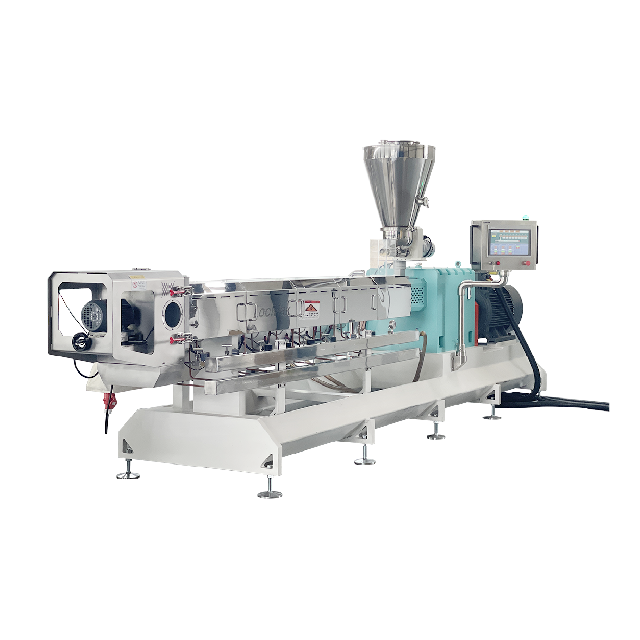
Routine standardization prevents catastrophic failure: Implementing strict daily, weekly, and monthly checklists mitigates 80% of premature gearbox and screw wear.
Wear measurement is a critical success metric: Regular, documented clearance checks between screws and barrels dictate product quality and energy efficiency.
Predictive technologies maximize ROI: Transitioning from calendar-based maintenance to condition monitoring (vibration and oil analysis) extends the lifespan of high-value components.
Documentation ensures compliance and repeatability: Integrating maintenance data into a CMMS (Computerized Maintenance Management System) is essential for ISO/FDA compliance and root-cause analysis.
Table of Contents
Scheduled maintenance windows present a stark contrast to emergency OEM interventions. When a machine fails unexpectedly, the costs associated with expedited parts shipping, lost production time, and scrapped materials quickly outpace the expense of routine upkeep. Preventative maintenance allows plants to control costs and schedule downtime during low-demand periods. A simple oil analysis costs a fraction of a complete gearbox rebuild.
Unmonitored wear directly impacts product quality. Increased screw-to-barrel clearance leads to poor mixing, inconsistent shear rates, and melt temperature fluctuations. These variables result in off-spec products that fail quality control checks, reducing overall yield. Maintaining tight tolerances guarantees consistent material properties and efficient processing. If the clearance opens up too much, the material simply slips backward over the flights instead of conveying forward.
Neglecting maintenance also introduces significant safety and environmental risks. Failing to inspect pressure sensors, rupture disks, and cooling systems can lead to dangerous blowouts or leaks. A proactive maintenance strategy ensures equipment operates safely within designed parameters, protecting personnel and maintaining environmental compliance.
Maintenance Strategy | Operational Impact | Risk Level |
|---|---|---|
Reactive (Run-to-Failure) | High scrap rates, expedited shipping fees, unpredictable downtime | High |
Preventative (Calendar-Based) | Controlled downtime, stable product quality, planned labor | Medium |
Predictive (Condition-Based) | Maximum uptime, optimized part lifespan, data-driven decisions | Low |
Before any physical intervention, operators must follow mandatory LOTO verification procedures. Securing electrical, hydraulic, and pneumatic systems prevents accidental startups. Strict adherence to LOTO protocols is the foundation of a safe maintenance environment.
Isolate the main breaker and apply a physical padlock.
Bleed residual pressure from hydraulic and pneumatic lines.
Verify zero energy state using a calibrated multimeter on the motor terminals.
Operators should establish a baseline for operating noise and vibration. Daily inspections require logging these metrics and checking for abnormal sounds. Visually inspect the die head and feed throat for oil or polymer leaks, addressing minor issues before they escalate into major failures. Listen for gear whine or bearing rumble, which often precede mechanical failure.
Proper lubrication is critical for high-torque applications. Check gearbox oil levels, hydraulic unit fluids, and automatic lubrication system reservoirs before every startup. Maintaining correct fluid levels prevents premature wear on bearings and gears. Look at the sight glass to confirm oil is clear, not milky or dark.
Verify that melt pressure transducers and thermocouples function correctly and read within baseline parameters. Ensure the soak-time heating cycle is fully complete before engaging the drive. Starting the extruder before the polymer is completely molten causes severe screw and shaft breakage. Wait at least 30 minutes after all zones reach the setpoint before starting the motor.
Mandate the daily testing of emergency stops, guard switches, and torque limiters. Mechanical slip clutches or shear pins must be in working order to protect the gearbox from sudden torque spikes. Verifying safety interlocks protects both the machinery and the operators.
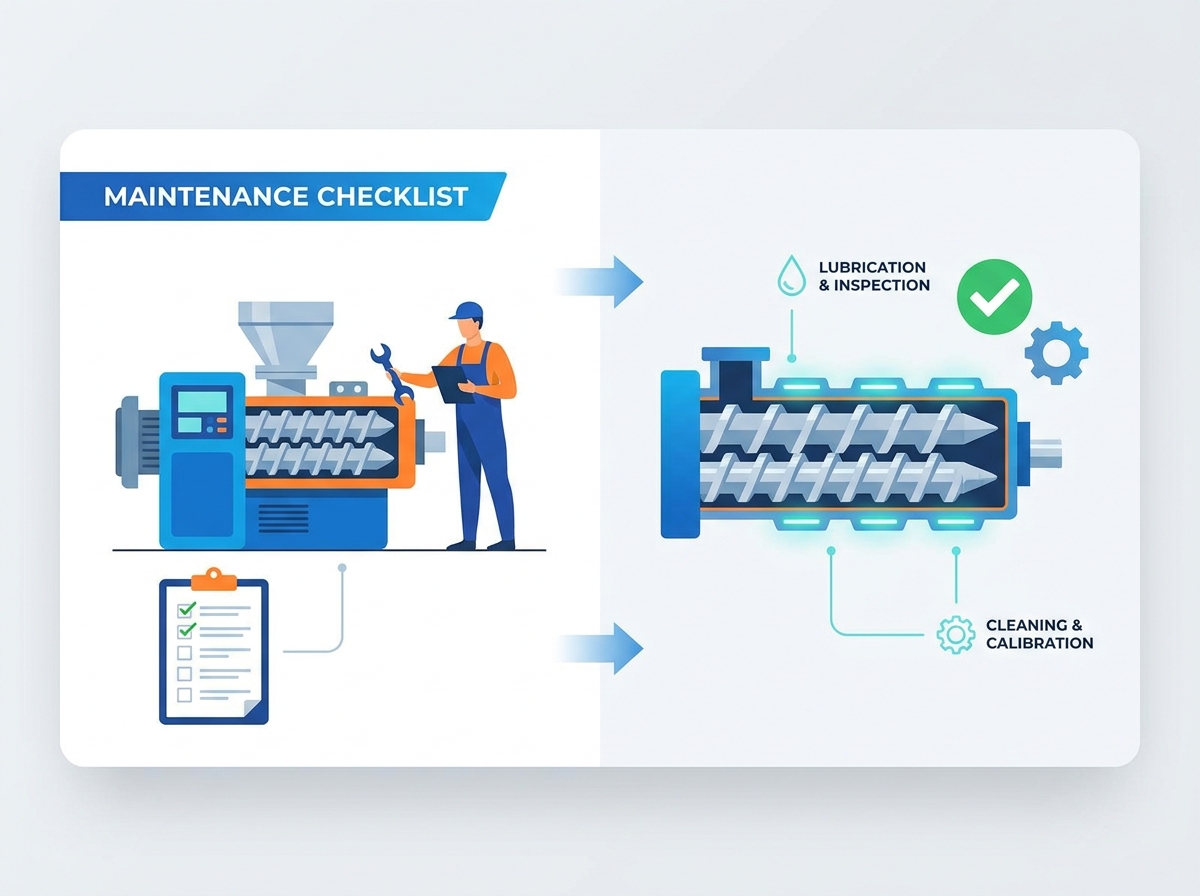
Inspect motor cooling fans to ensure adequate airflow. Check drive belts and couplings for alignment and wear, adjusting tension as necessary. Take initial temperature readings of gearbox housings to establish a baseline and identify localized hot spots early. Use an infrared thermometer to scan the bearing housings.
Clean and calibrate gravimetric or volumetric feeders weekly. Accurate formulation prevents surging and ensures consistent melt quality. Removing dust and debris from the hopper prevents material bridging and feeding inconsistencies.
Empty the hopper completely and vacuum residual dust.
Inspect the load cells for physical damage or binding.
Run a known weight of material to verify feeder accuracy.
Clear vent stuffers, inspect vacuum pump oil, and clean condenser lines regularly. Preventing volatile buildup and structural corrosion maintains melt quality and prevents off-gassing issues. A clean vacuum system ensures efficient removal of moisture and trapped air. Change the vacuum pump oil if it appears cloudy.
Inspect heater bands for physical contact and electrical continuity. Check solid-state relays (SSRs) for proper function. Verify flow rates and pressure in barrel cooling water circuits to maintain precise temperature control across all zones. Tighten any loose heater band clamps to ensure good surface contact.
Test cooling solenoid valves monthly to ensure they open and close completely. Execute acid-descaling procedures for internal barrel cooling channels to prevent scale buildup. Removing mineral deposits prevents localized hot spots and maintains efficient heat transfer. Flush the system with a neutralizing agent after descaling.

Pull screws carefully to avoid abrasive damage. Use micrometers and bore gauges to measure flight-to-barrel and flight-to-flight clearances. Compare these measurements against acceptable wear thresholds to determine when replacement is necessary. Documenting wear patterns helps predict future component lifespans.
Measurement Type | Tool Required | Acceptable Tolerance (General) |
|---|---|---|
Flight-to-Barrel | Bore Gauge / Micrometer | 0.15mm - 0.30mm (Diameter dependent) |
Flight-to-Flight | Feeler Gauge | 0.10mm - 0.25mm |
Axial Play | Dial Indicator | < 0.05mm |
Inspect segmented screw elements for localized wear patterns, paying close attention to kneading blocks and mixing elements. Check spline shafts for twisting, pitting, or surface deformation. Apply specialized high-temperature anti-seize compounds during reassembly and follow precise torque specifications for tie-rods and screw-tip bolts.
Remove elements sequentially and label their exact position.
Clean the spline shaft with a brass brush and inspect for torsional fatigue.
Apply a thin, even coat of copper-based anti-seize before sliding elements back on.
Use laser alignment and mechanical verification techniques to ensure the barrel remains perfectly aligned with the gearbox output shafts. Thermal expansion can cause misalignment over time. Correcting alignment issues prevents uneven wear on screws and barrels. Perform alignment checks while the machine is at operating temperature if possible.
Thrust bearings absorb immense axial loads during operation. Measure axial play to assess bearing condition. Schedule preemptive replacement based on operational hours and load profiles rather than waiting for failure. Condition monitoring provides accurate data for timing replacements.
Pull oil samples for laboratory analysis to detect microscopic metal particulate, water ingress, and viscosity breakdown. Oil analysis provides a window into the internal health of the gearbox. Identifying abnormal wear early allows for scheduled repairs before catastrophic failure occurs.
Conduct thermal imaging of electrical cabinets to identify loose connections or failing contactors. Addressing electrical anomalies prevents arc flashes and unexpected shutdowns. Regular electrical audits ensure the control system operates reliably. Look for temperature differentials greater than 10 degrees Celsius between phases.
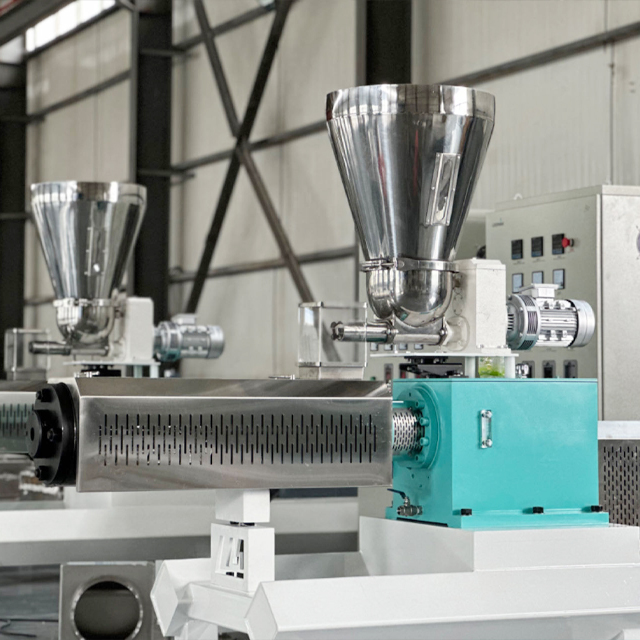
Executing routine and mid-level maintenance internally requires specific training and specialized tooling. Invest in screw pullers, alignment lasers, and proper lifting equipment. Allocating resources to train maintenance personnel ensures daily and weekly checklists are completed accurately. Develop a library of standard operating procedures for your specific machine models.
Certain tasks require the expertise of OEM service technicians. Outsourcing is mandatory for gearbox rebuilds, complex barrel realignment, and software or control system upgrades. Utilizing OEM services guarantees that critical repairs meet original manufacturing specifications. They possess the proprietary knowledge and specialized jigs required for heavy overhauls.
A hybrid approach often yields the best return on investment. Contract OEMs for annual audits and predictive monitoring while keeping daily and weekly checklists in-house. This strategy balances cost control with access to specialized expertise. Your internal team handles the routine upkeep, while the OEM provides high-level diagnostics and major repairs.
Implement continuous vibration sensors on gearboxes and motors to detect bearing faults and gear wear. Vibration analysis identifies issues months before audible symptoms appear. Early detection allows for planned interventions and minimizes production disruptions. Mount sensors directly on the bearing housings for the most accurate readings.
Modernize older extruders with IoT edge devices to collect real-time torque, temperature, and vibration data. Feed this data into a CMMS for automated work order generation. Integrating sensor data streamlines maintenance scheduling and improves response times. The system can automatically flag anomalies and alert the maintenance team.
Use historical maintenance data to optimize spare parts inventory. Knowing exactly when to order custom screw elements based on wear trending reduces carrying costs and prevents stockouts. Data-driven decisions maximize the efficiency of the maintenance program. Track the mean time between failures for critical components to refine your purchasing strategy.
Starting screw rotation before polymer residues are completely molten poses a severe risk of shear damage. Program PLC interlocks that block motor starts until all temperature zones reach setpoints and complete a timed soak phase. This mitigation strategy prevents catastrophic shaft failure.
Operator error during clearance checks leads to inaccurate wear data. Standardize measurement tools, locations (clock positions), and temperature states (hot vs. cold measurements). Consistent measurement techniques ensure reliable wear trending. Always measure at the 12, 3, 6, and 9 o'clock positions.
Introducing foreign debris into the gearbox or barrel during maintenance causes immediate damage. Enforce strict clean-room protocols and use lint-free materials during reassembly. Maintaining a clean work environment protects sensitive internal components. Cover open gearboxes with heavy plastic sheeting when not actively working on them.
Replacing worn parts with cheaper, incompatible alloys accelerates wear. Require strict adherence to OEM metallurgy specifications for screw flights and barrel liners. Matching the metallurgy to the abrasiveness and corrosiveness of the processed material ensures long component life. Do not mix standard nitrided elements with highly abrasive glass-filled compounds.
A well-planned twin screw extruder maintenance program not only minimizes unexpected downtime but also improves equipment reliability, product consistency, and long-term operating efficiency. Combining preventive maintenance with predictive monitoring helps manufacturers maximize the return on their equipment investment.
At LOOMAK, we are committed to providing reliable industrial equipment solutions and professional technical support to help manufacturers improve production efficiency and reduce maintenance costs. Our focus on quality, innovation, and long-term performance enables customers to achieve more stable and efficient manufacturing operations.
Before implementing a maintenance strategy, evaluate your equipment condition, maintenance schedule, spare parts availability, and monitoring technologies to ensure maximum equipment uptime and long-term productivity.
A: Measurement frequency depends on the abrasiveness of the compound. We recommend quarterly checks for highly filled materials and bi-annually for standard polymers to track wear accurately.
A: Early symptoms include unusual vibration, localized temperature spikes, increased operating noise, and the presence of metal shavings in oil analysis reports.
A: Use copper or brass tools and specialized purging compounds. Avoid high-carbon steel tools that score the barrel lining or damage screw flights during cleaning.
A: Acceptable limits are process-dependent. Components require replacement when product quality or throughput drops unacceptably, though industry benchmarks provide general guidelines based on element diameter.
A: Common culprits include cold starts, inconsistent feeding, heater band failure, or foreign metal contamination entering the feed throat.
A: Lifespan heavily depends on operating pressure and RPM, typically ranging from 15,000 to 30,000 hours. Condition monitoring is preferred over calendar-based replacement.
A: Apply high-temperature, metal-free anti-seize paste during assembly. Ensure correct element indexing and strictly follow tie-rod tensioning torque specifications.


