Views: 0 Author: Site Editor Publish Time: 2026-08-05 Origin: Site
In high-volume snack manufacturing, inconsistent flavor application and seasoning giveaway directly erode profit margins, making the precision of flavor application a critical operational metric. Plant managers and process engineers must balance high throughput requirements with strict application accuracy, sanitation mandates, and rapid changeover times, often struggling with seasoning loss or uneven coating on complex base products. Understanding the exact mechanical workflow of a snack seasoning system—from upstream product presentation to downstream weighing—is essential for specifying equipment that aligns with specific product characteristics and facility layouts. By evaluating how powder or liquid interacts with the base product, operators can optimize retention rates, eliminate waste, and maintain strict quality control standards across continuous production runs.

System Integration is Critical: A snack seasoning system does not operate in a vacuum; its efficiency relies heavily on synchronized integration with upstream conveyors (directly following extrusion, baking, or frying) and downstream weighers.
Dispensing Mechanics Dictate Accuracy: The choice between auger, open spiral, horizontal motion, and vibratory (scarf) plate dispensers determines volumetric accuracy and directly impacts seasoning loss rates.
OMS vs. Centralized Configurations: On-Machine Seasoning (OMS) systems offer superior flexibility for multi-flavor lines and work exceptionally well for low-fat or highly absorptive products, whereas centralized systems are better suited for dedicated, single-flavor, high-capacity runs.
Product Characteristics Drive the Technology: Base product attributes (e.g., low-fat, high-absorption, extruded, or fried) dictate whether a dry powder, liquid oil, or slurry application method is required for optimal adhesion.
Table of Contents
A highly functional coating line relies on precise mechanical coordination. Every component from the infeed conveyor to the tumbling drum must work together to maintain a consistent mass flow rate. Disruptions in this flow cause uneven flavor distribution, bare patches on the product, and excessive ingredient waste.
Positioning the equipment correctly within the production line sets the foundation for accurate coating. You typically integrate the system immediately following primary processing phases like extrusion, cutting, drying, baking, or frying. The base product leaves these stages unseasoned and must transition smoothly into the coating zone without bottlenecking.
Mechanisms for receiving unseasoned base product from upstream conveyor systems vary based on product fragility. Vibratory conveyors and weigh belts play a major role in establishing a consistent, measurable mass flow rate before seasoning application. These belts measure the exact weight of the incoming product using highly sensitive load cells. The control panel uses this data to adjust the seasoning dispenser speed in real-time via a PID control loop.
The primary success criteria for the infeed stage is preventing product surging or starvation. If a large batch of chips drops at once, the dispenser cannot react fast enough, leaving some chips bare. Maintaining a steady flow ensures the seasoning-to-base ratio remains mathematically constant. Operators must regularly calibrate the weigh belt to account for tare weight drift caused by oil or crumb buildup.
Isolate the weigh belt from external vibrations caused by nearby heavy machinery.
Run a known calibration weight across the belt at standard operating speeds.
Adjust the load cell parameters in the PLC to match the physical test weight.
Verify the tachometer readings to ensure belt speed calculations are accurate.
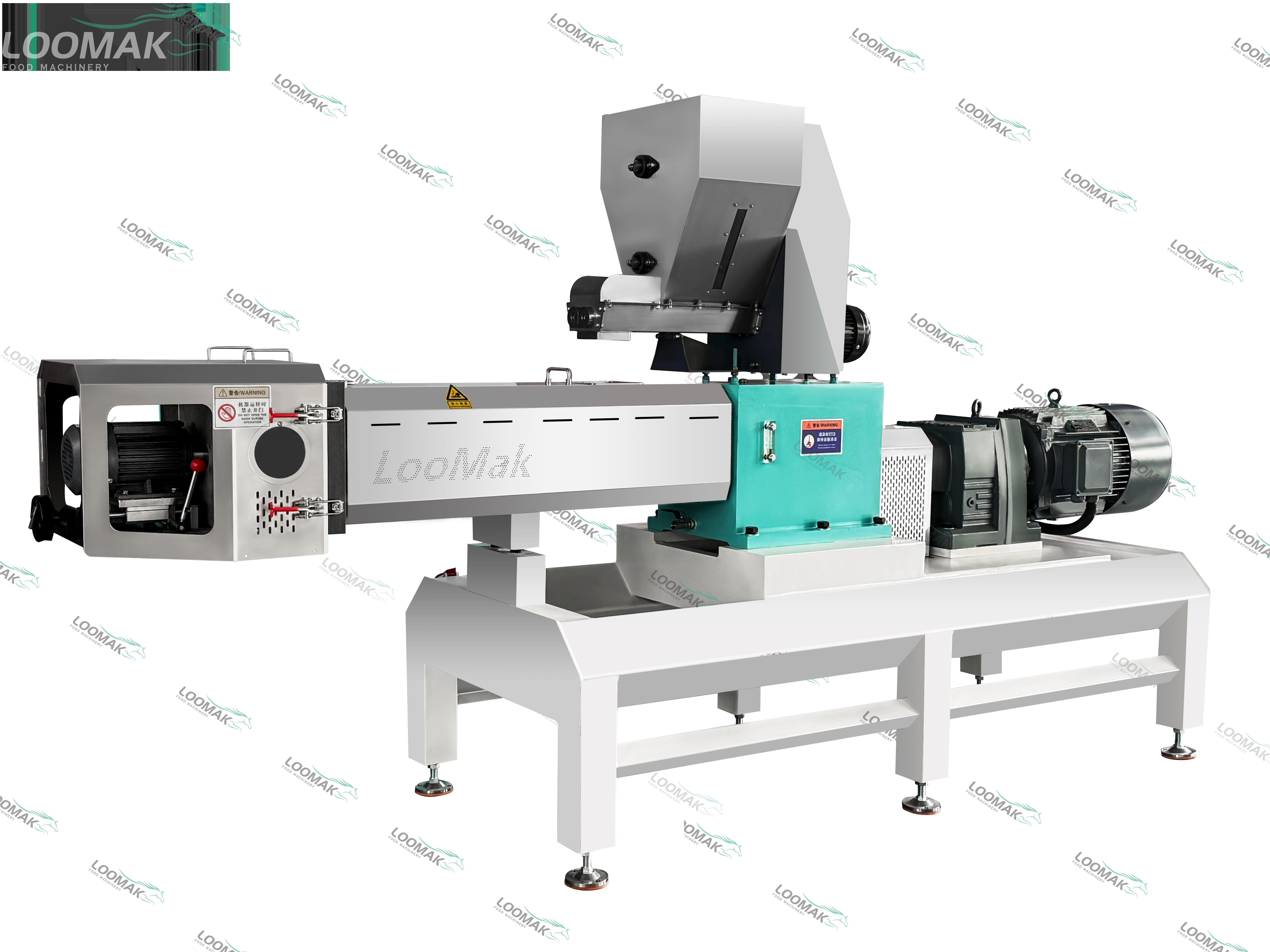
The dispenser controls how much flavor drops onto the product. Choosing the right mechanism depends entirely on the physical properties of the powder or liquid. Granular salt behaves differently than fine cheese powder, requiring specific handling techniques.
Auger and Open Spiral Feeders: Best for consistent, free-flowing powders. You must evaluate pitch and speed control to match the required application rate. Augers provide excellent volumetric accuracy but can cause compaction if the powder is highly cohesive.
Vibratory (Scarf) Plates: Ideal for creating a wide, uniform curtain of seasoning over the product bed. Operators analyze vibration frequency and amplitude adjustments to control the powder flow. This method prevents the pulsing effect sometimes seen with augers.
Horizontal Motion Feeders: Utilized for gentle, non-destructive transport of sensitive seasonings from the loading hopper to the tumbling drum. They move material without product degradation or ingredient separation, making them perfect for blends containing large particulate inclusions like dried herbs or chili flakes.
Hopper design also impacts dispensing accuracy. Agitation mechanisms inside the hopper prevent bridging, rat-holing, and separation of complex seasoning blends. Without proper agitation, heavy salt particles might settle at the bottom while lighter herbs float to the top. U-shaped hoppers with ribbon blenders offer superior mixing compared to standard V-shaped hoppers.
Once the seasoning drops, the product must tumble to ensure even coverage. Tumble drums use specific engineering principles behind flight design, drum angle, and rotational speed to ensure gentle folding without product breakage. Flights are the ridges inside the drum that lift and fold the chips. The geometry of these flights determines whether the product slides gently or drops aggressively.
Horizontal motion systems offer alternative coating methods for highly fragile products. Instead of lifting and dropping, these systems shuffle the product forward gently. You must calculate the exact retention time required for optimal surface coverage based on the product coefficient of friction. A rough extruded puff needs less dwell time than a smooth baked cracker.
Tumbling Method | Product Suitability | Mechanical Action | Retention Time Control |
|---|---|---|---|
Standard Rotary Drum | Potato chips, tortilla chips, extruded puffs | Lifting and folding via internal flights | Adjusted via drum inclination angle and VFD speed |
Horizontal Motion Pan | Fragile baked goods, delicate clusters | Slow forward glide, rapid reverse snap | Adjusted via stroke length and frequency |
Electrostatic Drum | Low-fat snacks, pretzels | Lifting with applied electrical charge | Fixed angle, relies on charge attraction for speed |
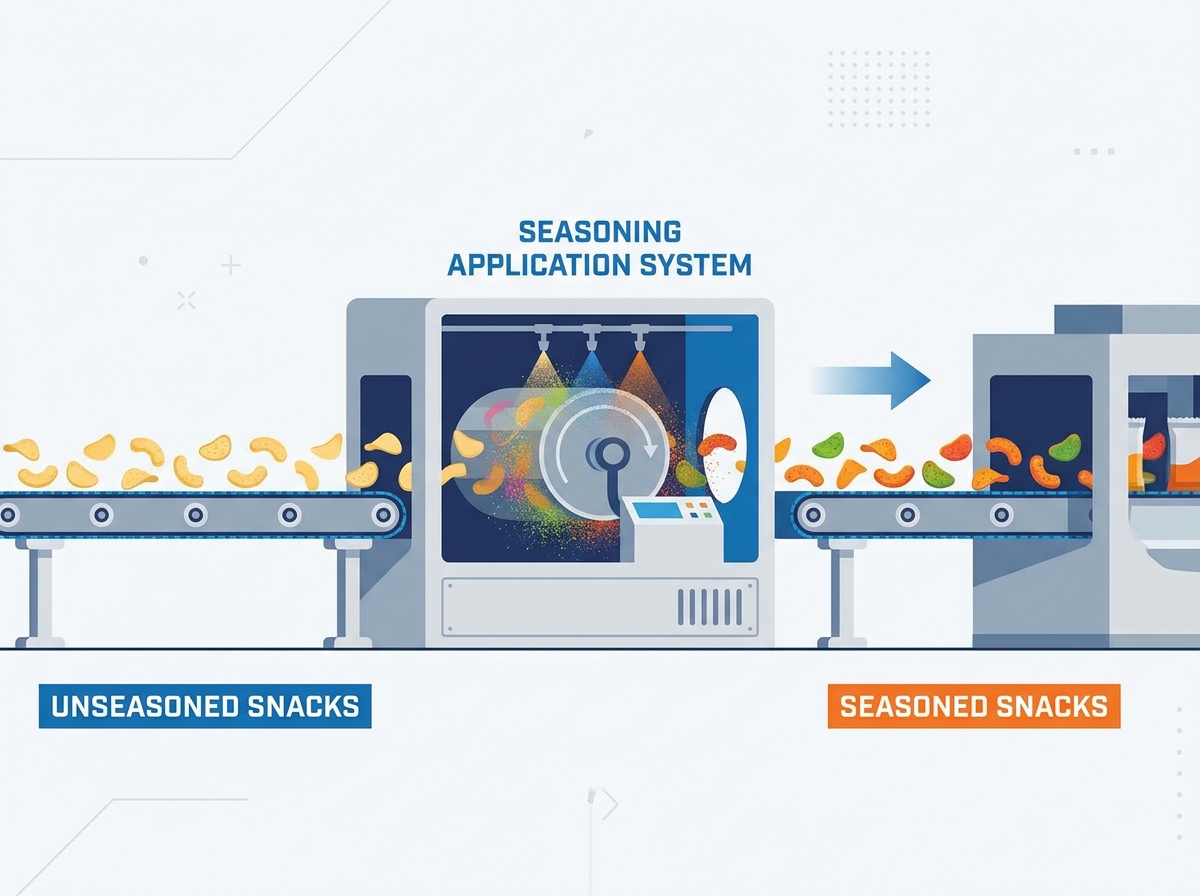
Facility layout and product variety dictate the overall architecture of the coating line. Manufacturers generally choose between centralized setups and point-of-packaging solutions based on their production schedules and changeover frequency.
In a centralized architecture, flavor is applied immediately after processing, such as frying or baking, before distribution to packaging. All products receive the same flavor at a single location. The seasoned product then travels via conveyors to the various packaging machines.
This setup is highly efficient for single-product, continuous runs. It utilizes residual heat and oil from the fryer for better adhesion. The hot oil acts as a natural tacking agent, pulling the dry powder onto the snack surface. Centralized systems require fewer dispensing units, simplifying maintenance and operator training.
However, centralized setups carry a high risk of cross-contamination. If you want to switch from cheese to barbecue flavor, you must clean the entire distribution network. This includes long conveyor runs, vibratory pans, and bucket elevators, which causes significant downtime. Seasoning also tends to build up on the conveyor belts, leading to tracking issues and premature belt wear.
OMS architecture changes the location of the flavor application. Seasoning is applied at the packaging station, immediately prior to the downstream multi-head weigher. The base product travels unseasoned through the main distribution conveyors, keeping the transport network completely clean.
This approach enables simultaneous production of multiple flavors on a single processing line. It drastically reduces the footprint of equipment requiring sanitation during changeovers. OMS is highly effective for low-fat and high-absorption products by eliminating long transport times that cause seasoning rub-off or product sogginess. You can run jalapeño flavor on bagger one and sea salt on bagger two simultaneously.
The trade-offs include requiring precise synchronization with individual baggers and weighers. You also face potential space constraints on the packaging deck, as the dispensing equipment must fit above the bagger. Installing an OMS system often requires reinforcing the mezzanine to handle the additional dynamic loads of the tumbling drums.
The physical state of the flavor dictates the application hardware. Dry powders require different handling techniques than liquid slurries or oil sprays. Understanding fluid dynamics and powder rheology is necessary for optimizing the coating process.
Applying dry powder evenly requires understanding the mechanics of using carriers. Flavor houses often plate liquid flavors onto a dry carrier, such as maltodextrin or whey powder, to achieve uniform bulk density. This prevents hopper segregation and ensures an even coat across the snack surface. The carrier absorbs the volatile flavor compounds and releases them upon consumption.
Operators face challenges with adhesion on low-fat or baked snacks. Without surface oil, dry powder simply falls off and accumulates at the bottom of the bag. This necessitates electrostatic application or the use of tacking agents. Electrostatic systems apply a negative charge to the powder and a positive charge to the snack, drawing the seasoning onto the surface. This method significantly reduces airborne dust and improves transfer efficiency.
Savory snacks often require an oil application before dry seasoning. Systems use spray nozzles or spinning discs to apply a uniform oil coating prior to the dry powder. Spinning discs create a fine mist without the clogging risks associated with traditional nozzles. They handle unfiltered oils containing small particulates without issue.
Slurry systems involve mixing seasoning directly into heated oil or syrup for sweet snacks. The equipment sprays the suspension directly onto the product inside the drum. You must evaluate pump types and nozzle clogging risks when running heavy slurries. Peristaltic pumps often handle particulate-heavy slurries better than centrifugal pumps because they do not shear the fluid or crush the inclusions.
Pre-heat the slurry tank to the specified temperature to reduce fluid viscosity.
Engage the tank agitator to keep particulates suspended in the oil or syrup.
Prime the peristaltic pump and verify the flow rate using a catch test.
Adjust the atomizing air pressure at the nozzle to achieve the desired droplet size.
Monitor the spray pattern visually to ensure it covers the entire product bed without hitting the drum walls.
Selecting equipment requires evaluating accuracy, sanitation, and line footprint. You must match the machine capabilities to your specific production environment and maintenance protocols.
Features directly impact outcomes. Closed-loop load cell feedback systems adjust dispensing rates in real-time to minimize expensive seasoning giveaway. If the weigh belt detects a drop in base product flow, the load cell signals the auger to slow down instantly. This prevents over-seasoning during ramp-down phases.
Dust extraction integration is another critical factor. You must balance airborne particulate removal with the risk of extracting usable seasoning. Pulling too much vacuum removes flavor from the drum before it adheres to the chip, increasing waste. Variable speed extraction fans allow operators to dial in the exact negative pressure required to keep the plant clean without sucking profits up the exhaust stack.
Evaluating hygienic design helps reduce downtime between flavor runs. Look for tool-less removal of augers, drums, and scarf plates. Operators should be able to dismantle the dispensing unit without wrenches or screwdrivers. Quick-release clamps and swing-away hoppers speed up the sanitation process.
Equipment must meet high washdown ratings, such as IP69K. The design must eliminate catch points to prevent microbial growth and allergen cross-contamination. Smooth welds, sloped surfaces, and stand-offs for wiring harnesses ensure water drains completely during sanitation cycles. Hollow tubing should be completely sealed to prevent water ingress.
Assessing the physical space required for retrofitting a new coating unit into an existing line prevents installation delays. Measure the vertical clearance above the weighers if implementing an OMS setup. Ensure there is enough room for operators to safely load powder into the hoppers using vacuum transfer systems or manual lifting aids.
Modular designs allow for future capacity upgrades without replacing the entire coating infrastructure. You can swap a smaller tumble drum for a larger one as production volumes increase. Standardized mounting brackets and plug-and-play control cables make these upgrades straightforward.
Deploying new coating equipment introduces operational risks. Identifying these risks early allows engineering teams to implement proper mitigation strategies before commissioning the line.
High-absorption or highly porous products risk soaking up oil and flavor unevenly. An extruded puff might absorb too much liquid on one side, leaving the other side dry. This alters the texture and creates an inconsistent flavor profile.
Mitigation involves utilizing two-stage application systems. You can also deploy an OMS setup to minimize absorption lag, applying the flavor right before the bagger. Adjusting spray nozzle atomization helps control penetration depth, keeping the flavor on the surface. Finer droplets dry faster and penetrate less than large droplets.
High ambient humidity causes hygroscopic seasonings to clump in the hopper or on the scarf plate. Sticky powders block the auger, create uneven flow rates, and build up on the drum walls. Tomato powder and cheese blends are particularly susceptible to moisture absorption.
Implementing climate-controlled enclosures for the dispensing unit mitigates this risk. Utilizing continuous hopper agitation breaks up clumps before they reach the discharge point. Keeping the ambient air dry ensures the powder remains free-flowing. Some facilities pipe dry, compressed air directly into the hopper to maintain a low dew point.
A coating line is a highly engineered integration of mass-flow measurement, precise dispensing, and controlled tumbling. Procurement and engineering teams must base their selection on product fragility, flavor changeover frequency, and specific adhesion requirements. Follow these steps to optimize your setup.
Conduct a thorough audit of current seasoning loss percentages across all shifts to establish a baseline.
Calculate the waste reduction potential of installing a closed-loop gravimetric feedback system.
Request pilot testing with the equipment manufacturer using your actual base product and specific seasoning blends.
Evaluate the vertical clearance in your packaging area to determine if an OMS configuration is physically viable.
Review your sanitation standard operating procedures to ensure compatibility with IP69K rated equipment.
Based in Jinan, China, loomak specializes in the research, manufacturing, and customization of food deep-processing machinery, with twin-screw extrusion and puffing equipment at the core of its business. By combining process planning, equipment development, and control support, the company provides integrated production-line solutions designed around customers’ product requirements, capacity goals, and processing conditions.
A: An OMS system applies flavor directly at the packaging station, right before the product enters the multi-head weigher. This allows a single processing line to run unseasoned base product, splitting it off to different baggers where individual flavors are applied simultaneously.
A: OMS applies the flavor immediately before packaging, eliminating long conveyor transport times. This prevents the seasoning from rubbing off low-fat snacks and stops high-absorption snacks from becoming soggy before they reach the bag.
A: The system uses control software to synchronize the output of the tumble drum with the demand of the weigher. If the weigher pauses, the coating system temporarily halts the infeed and dispensing to prevent product accumulation and over-seasoning.
A: An auger feeder uses a rotating screw to push a specific volume of powder out of a tube, ideal for consistent flow. A vibratory scarf plate uses high-frequency vibrations to shake powder off a flat edge, creating a wide, even curtain of seasoning.
A: Carriers normalize the bulk density of complex flavor blends. By plating liquid extracts onto a dry carrier like maltodextrin, the resulting powder flows smoothly through hoppers and augers without separating, ensuring an even flavor profile on the snack.
A: Manufacturers reduce loss by installing load cells on the infeed conveyor to measure exact product weight. This data feeds into a closed-loop control system that continuously adjusts the powder dispenser speed, ensuring the exact ratio is applied without excess giveaway.


